The Yabi-T Journal

Home advice from
the pros who show up.

Straight answers on TV mounts, wiring, plumbing, smart homes and everything in between — written by the crew that actually does the work across DC, Maryland & Virginia.

Latest posts

Fresh off the job site.

Couple unpacking moving boxes in their new home Moving In

Common Problems Washington Homeowners Face After Buying a New House or Apartment

From crooked TV mounts to smart home setups gone wrong — the everyday install issues that show up right after you get the keys, and how a general mounting pro solves them.

Read the post
Flat screen TV mounted above a wooden console in a styled living room General Mounting

The Right Way to Mount a TV on a DC Rowhouse Plaster Wall

Plaster, lath and brick behind the wall change everything about a safe TV mount. Here's how to find the studs, drill without cracking, and hang it level.

Read the post
A woman using a screwdriver while assembling furniture indoors Furniture Assembly

IKEA vs. Custom: What Furniture Assembly Really Costs in the DC Metro

Flat-pack savings versus custom quality — a breakdown of price, hidden costs and assembly time to help you decide what's actually worth it.

Read the post
Outdoor security camera mounted on a concrete wall Smart Home

A Smart Home Starter Kit for DC Condos and Apartments

No drilling, no drama — where to start with locks, cameras, thermostats and plugs when you don't own the walls.

Read the post
Moving In

Common Problems Washington Homeowners Face After Buying a New House or Apartment

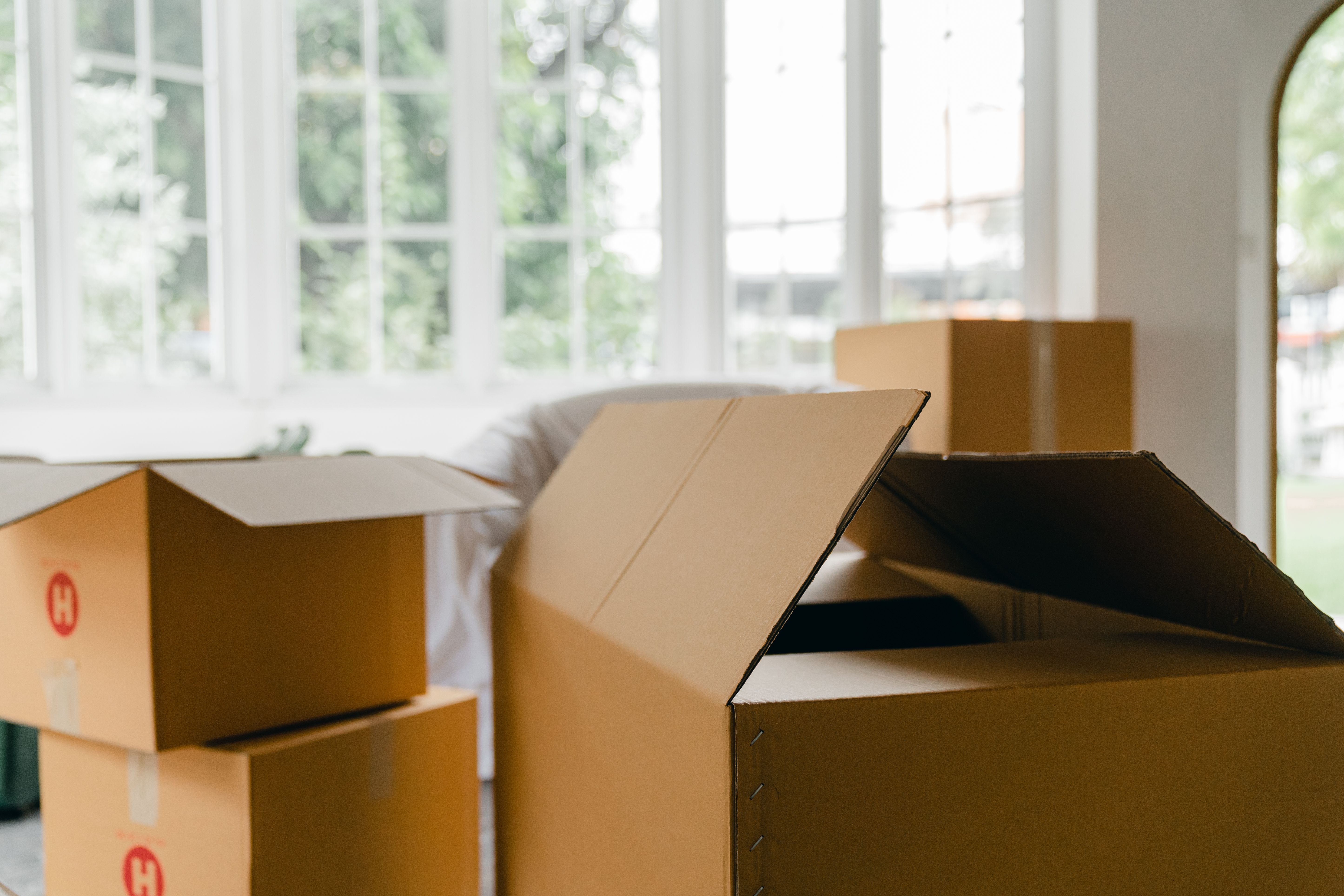
Couple surrounded by moving boxes, unpacking in their new living room

Photo via Pexels

The time of purchasing a new home or apartment in Washington is an exciting time. If you are looking for a modern apartment in Seattle, a family house in Tacoma or a town house in Bellevue, there is a lot to enjoy. However, once the initial excitement of moving in has passed, many homeowners discover that it is more difficult than anticipated to get their new home up and running. There are lots of little tasks that need to be done, tools to use and expertise to apply. That is why many people look for general mounting services in Washington to assist them in getting into their new home rapidly and securely.

Mounting the TV

After purchasing a new home, one of the biggest issues that people encounter is mounting a TV. Today's TVs are bigger and heavier than ever. Many families prefer a clean and modern appearance, which is achieved by wall mounting the TV rather than using a stand. But locating wall studs, drilling properly, concealing the cables, and leveling the TV can be challenging. A mistake will harm the wall and the costly television. TV mounting services in Washington ensure that the TV is securely mounted, level and safe for years of use.

Hanging Pictures, Mirrors & Artwork

One of the other problems that people often encounter is hanging pictures, mirrors and artwork. Blank walls can make a house feel empty after moving into a new apartment or house. Homeowners may want to hang pictures of their family, artwork, decorative mirrors, or wall decorations. Unfortunately, many people make mistakes with the drill and end up with holes that are not where they wanted them, holes they don't need, or hanging things unevenly. A professional wall mounting service ensures that all items are straight, secure and in the perfect spot for maximum beauty.

Installing Shelves

A lot of people in Washington also have trouble installing shelves. Floating shelves are a popular choice as they are an effective way to free up space and add a contemporary flair to any room. They are used to store books, plants, decorations, kitchen goods and office storage. But unscrewed shelves can become loose or even fall, resulting in damage or injuries. Professional shelf installation makes sure each shelf is installed securely and is capable of holding the correct weight.

Making the Most of Apartment Storage

Apartment living is very popular throughout Washington. While apartments offer convenience, they often have limited storage space. When you are moving into a new apartment or a new home, you will typically find that you need to make use of wall mounted cabinets, storage racks, hooks and organizers to get the most out of the space you have. These items can be hard to install in an apartment without breaking the rules, particularly if there are rules about not damaging walls. General mounting professionals know the various types of walls and how to mount accordingly.

Window Treatments

Another thing that many new homeowners don't think about is window treatments. When installing blinds, curtain rods and window shades, it is important to take the proper measurements and drill carefully. Loose curtain rods or crooked blinds can destroy the look of a gorgeous room. Window coverings installation services help you get a perfect, neat appearance while also ensuring that all window coverings are working properly.

"A house should be finished properly — with the right anchors in the right walls, the first time."

The Kitchen

Another place where people in their homes need assistance is the kitchen. After moving in, many families buy microwave ovens, wall mounted storage racks, paper towel holders, spice racks and cabinets. These items can be difficult to install due to kitchen walls that may have plumbing, electrical wiring or uneven surfaces. Professional installers are familiar with how to install kitchen accessories without causing unnecessary damage to the home.

Bathroom Fixtures

There are also a number of mounting tasks to be done after moving in on bathrooms. There are a lot of new houses that don't have everything a homeowner wants. Towel bars, toilet paper holders, mirrors, medicine cabinets, shower shelves, bidet attachments, and wall organizers are common items that are installed. These are items used on a daily basis and need to be firmly attached. With a dependable general mounting service, all bathroom fixtures are properly installed and will last.

Building a Smart Home

Another growing trend in Washington is creating smart homes. Video doorbells, security cameras, smart thermostats, WiFi devices, smart locks, and motion sensors are all being installed in homes. These products are designed to make life easier and keep homes safer, but they must be installed correctly to ensure they function properly. Homeowners often don't know the best locations for cameras to get the most coverage, or how to install smart devices without harming their walls. Professional mounting experts help customers enjoy all the advantages of cutting-edge smart home technology.

Protecting Costly Walls

A lot of homeowners also fear breaking costly walls in their new home. Repairs may be expensive, particularly if drywall, brick, concrete or tile is damaged during installation. Each wall material needs different tools and techniques. Professional mounting technicians are experienced in working with a wide variety of wall types, which helps minimize the risk of unnecessary repairs and gives homeowners peace of mind.

Saving Time After the Move

Another big issue following a move into a new home is time. Homeowners have plenty to do without packing and unpacking boxes, moving, setting up new routines, and arranging furniture. It can be stressful to spend a whole weekend trying to install the TV, shelves, or artwork. By hiring a reputable general mounting firm, families can save precious time and focus on enjoying their new home rather than the unfinished projects.

Safety First

Never take safety for granted. Televisions, cabinets, shelves or mirrors that are not properly mounted can unexpectedly fall and cause injuries, particularly in homes with children or pets. When professionally installed, there is a sense of security that all the work is done correctly, with the proper anchors, hardware, and methods. This provides homeowners with long-term peace of mind and helps safeguard their investment.

You Don't Have to Do It Alone

If you've just bought a house or apartment, you don't have to do all of the installations yourself. Professional general mounting services can mount TVs, hang pictures, install a mirror, mount a cabinet, install blinds, install curtains, mount a security camera, mount a projector, install a sound system, mount a smart home device, and much more. You can avoid the hassle of organizing your home yourself and have a beautifully organized home right from the start.

A new house should be finished professionally. When you hire general mounting services that are experienced, your home will be cleaner, safer, and more organized, with your walls and valuable possessions intact. No matter if you have recently moved into a new apartment, condo, townhouse or family home, professional mounting services will make the move easier and help you make your new home a comfortable place to call home.
Just moved in? Let's get it all handled.

Call, text, or send photos of what needs mounting, fixing or installing — we'll quote it flat before we knock on your door.

General Mounting

The Right Way to Mount a TV on a DC Rowhouse Plaster Wall

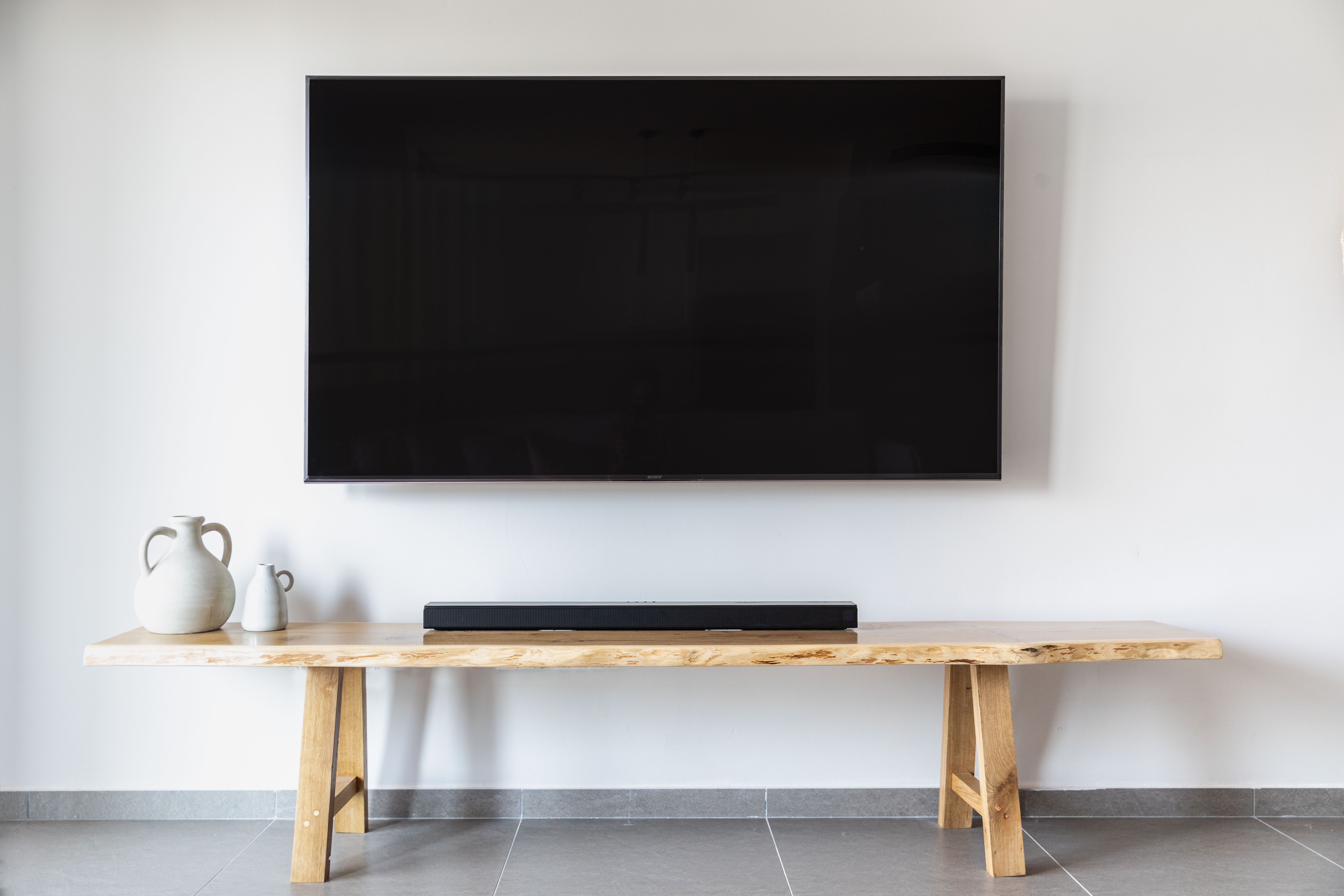
Flat screen TV mounted above a wooden console in a styled living room

Photo via Pexels

There are lots of people that want to hang their TV on the wall in Washington, DC rowhouses. A wall mounted TV will save space, look contemporary and provide a better viewing experience. But mounting a TV on a plaster wall is not as simple as mounting on regular drywall. Plaster walls are stronger in some respects, but can crack if not installed the right way. Before you start, you should know what you have in your wall if you are a DC rowhouse owner.

Know What's Behind Your Plaster

The majority of the old DC rowhouses were constructed years ago. Typical homes will typically have plaster walls rather than drywall. The plaster may have wooden strips behind it known as lath, and wooden wall studs behind the lath. Some homes may also have brick walls hidden behind the plaster. Not all plaster walls are created equal, so do not assume that they are constructed in the same manner. Spending a little time looking at your wall won't cause any damage and will save you money.

Pick the Right Spot

The first thing to do is to select the appropriate location for your television. Find a wall to view the screen from your sofa or chair. Don't set the television too high as it can cause neck pain after extended viewing. Consider other electrical outlets and cables in the immediate vicinity. If the TV is near an electrical outlet, it will be easier as you will not have to have long wires hanging down the wall.

Find the Studs First

Look for wall studs first before drilling any holes. The strongest part of the wall is a stud, which provides the TV with support. Thick plaster walls can be problematic with a normal stud finder, so a stud finder designed for plaster might be a better option or other techniques may be employed to find the studs. Don't guess if the studs are not present. If a hole is drilled in the wrong spot, it may compromise the wall's structural integrity and render the TV unsafe.

After locating the studs, make a mark with a pencil. Press the TV stand firmly against the wall and check it with a level to ensure it's straight. The smallest error can make your TV look distorted. Always take measurements before drilling. It's easier to take the extra few minutes to measure than to deal with holes later.

"Don't guess if the studs are not present — a hole in the wrong spot can compromise the wall and the TV both."

Drill Slowly and Carefully

If you are drilling into plaster, do so slowly and carefully. If you drill too quickly or apply too much pressure, plaster can crack. Be sure to use the proper drill bit for the type of wall material. Make a small pilot hole before making the final hole. This can minimize stress to the plaster and ease the installation of the mounting screws.

Use the Right Hardware

Secure your TV mount with high-quality lag bolts or other sturdy mounting hardware provided with the TV mount. The screws should be inserted in the wall studs, not the plasterboard. A large TV is too heavy for plaster alone to support. If the wall is brick behind the plaster, special masonry anchors might be necessary, along with a masonry drill bit. One of the most critical aspects of a safe installation is the use of the proper hardware.

Once the wall bracket is installed, mount the mounting arms to the rear of your TV set. Most TVs have standard mounting holes, but it's important to make sure the mount is the right size for your TV. Another person is generally safer to lift the TV. Heavy TVs are difficult to hold when mounting them to the wall bracket.

Test Before You Trust It

After the TV is installed, carefully test to ensure it is in place. Avoid excessive tension on the TV, but ensure it is stable and secure. If any part of the TV feels unstable, take it down and recheck the mounting hardware. Few minutes more to check can make a big difference in preventing accidents.

Cable Organization

Cable organization is another factor to consider. Wires dangling from the TV are not aesthetically pleasing and can pose a tripping hazard. The wires can be neatly covered on the wall using cable covers. Some prefer to run the wires inside the wall, but this should be done carefully in compliance with local building codes.

Common Mistakes to Avoid

There are common mistakes that many people make when mounting a TV. Some only mount on the plaster and not on the studs. Others employ too short or too weak a screw. Others rush the job without taking care to measure correctly. These errors can lead to the TV being loose or falling from the wall. Installing in a timely manner and with proper tools will make installation much safer.

When to Call a Professional

If you don't know what the wall structure is or how much your TV will weigh, it might be wise to seek the aid of a professional installer. Older homes may contain things you are not expecting like uneven walls, cracking plaster or other materials used in the construction. A professional can deal with these situations safely as they have the experience and tools to do so.

While it is not always feasible to mount a TV on a plaster wall, it can be done with the proper steps in the right DC rowhouse. Select the appropriate spot, locate the studs in the wall, take accurate measurements, drill slowly and secure with solid mounting hardware. Take time to do it. A well mounted TV will look great, save space and remain in place for many years. Knowing your plaster wall and taking the time to do it right will help you enjoy your favorite movies, sports and TV shows without worrying.

Rowhouse walls, handled right.

Send us a photo of your wall and TV size — we'll quote a flat price and bring the right anchors for plaster, lath or brick.

Furniture Assembly

IKEA vs. Custom: What Furniture Assembly Really Costs in the DC Metro

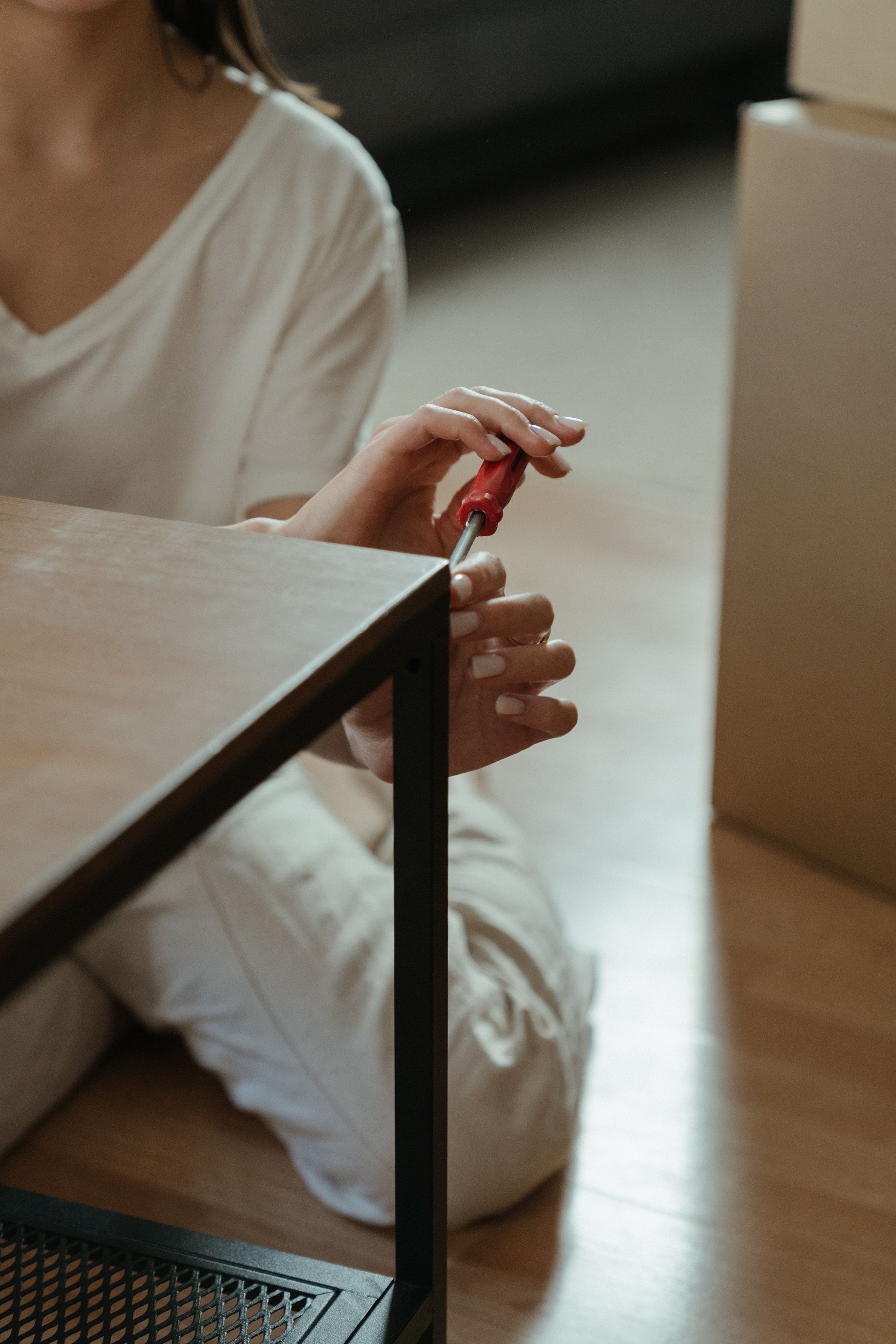
A woman using a screwdriver while assembling furniture indoors

Photo via Pexels

It's great to purchase new furniture. Once you have everything in place, it's time to assemble all the pieces, whether you're moving into a new house, decorating an apartment or updating a room. There is a lot of discussion in the Washington, DC metro area about whether it is better to purchase IKEA furniture, or to invest more in custom furniture. People also want to know what the real cost of furniture assembly will be.

It depends on your budget, your time and what you are looking for in furniture. There are pros and cons to IKEA furniture and custom furniture. Knowing the actual expenses can make it easier to make the right choice.

The Cost of IKEA Furniture

The reason why IKEA is so popular is because it has modern furniture that's affordable. Beds, wardrobes, bookshelves, desks, dining tables and a lot more can be purchased without spending a lot of money. That's why many students, families and first time home owners opt for IKEA.

But the tag price isn't the only cost. Most of the furniture sold by IKEA is flat-packed and requires assembly at home. Some simple parts only take 20 or 30 minutes to assemble. It may take several hours to assemble larger pieces, such as wardrobes or bunk beds.

If you choose to put it together yourself, you might want to have tools, a bit of room, and a lot of patience. When you make an error, you might need to disassemble and reassemble all the components. Furniture can be unstable and hard to use if one step is missed.

The Cost of Custom Furniture

Custom furniture is typically created just for you. The size, material, color and design are all your choice. This is ideal for houses that have odd dimensions and for individuals who wish for something special.

IKEA furniture is much cheaper than custom furniture. The higher price comes with higher quality materials, higher quality workmanship, and a design that's tailored to fit your space. Many custom furniture companies will also cover delivery and professional assembly.

Although the initial investment in custom furniture is more expensive, it is likely to last for a longer time. It is not considered a short-term buy but a long-term investment.

"Don't just consider the price — consider the total cost, including your time, before making a decision."

Assembly Costs in the DC Metro Area

The price of furniture assembly in the DC metro area is influenced by a variety of factors. These include the size of the furniture, the number of pieces to be assembled and the amount of time it will take.

Furniture that is simple will typically be cheaper to put together, like a nightstand or small desk. Things that are bigger, such as wardrobes, entertainment centers or office furniture, are more expensive as they take more effort and experience to assemble.

If you buy several pieces at the same time, many assembly services offer package pricing. This can help minimize the overall expense, as opposed to paying for each item as they are purchased. If there's furniture that must be mounted to the wall, moved up to an upper floor, or put together in a tight space, some companies may charge more.

DIY vs. Professional Assembly

A lot of people believe they can save money on furniture assembly. In some cases, this is true, particularly with small and simple items. But not everyone loves reading lengthy instruction manuals or spending hours with screws and tools.

Professional furniture assemblers are familiar with the process of assembling furniture efficiently and accurately. They know numerous brands, including IKEA, and come equipped with the necessary tools and know-how to avoid common errors.

Hiring a professional saves time and reduces stress. Rather than spending your weekend putting together furniture, you can enjoy your new home and your weekend.

Hidden Costs People Overlook

People often overlook hidden costs when comparing IKEA and custom furniture. For IKEA, hidden costs can include delivery charges, assembly equipment, replacement parts for broken pieces, and your time — five or six hours spent building a wardrobe is five or six hours of your day.

Hidden costs are typically lower with custom furniture, since assembly is often part of the deal. But custom pieces can take several weeks or months to arrive after ordering. It's worth weighing these hidden costs against what you're actually paying for.

Which Option Is the Better Value?

The best value varies with individual needs. IKEA is the better option for those who want affordable furniture for an apartment, dorm room, rental property, or first home — it's possible to decorate an entire room without breaking the bank.

Custom furniture might be worth the extra expense if you want something that fits your home exactly and will last for years. Some homeowners opt for both: cheap IKEA pieces for daily use, and custom investment pieces for things like dining tables or built-in storage.

Tips for Saving Money

  • Don't purchase all the furniture at once — only what's necessary for each room
  • Check assembly prices before hiring, and ask about multi-item discounts
  • Store all instruction manuals and leftover hardware
  • Plan ahead so delivery and assembly can happen the same day

Final Thoughts

It's not just about the cost of the furniture when deciding between IKEA and custom. Assembly, delivery, durability, and the time you have to invest should all factor into the decision.

The DC metro area draws plenty of people looking for a budget-friendly, fashionable option, which is why IKEA is so popular. Others prefer custom furniture because they know the piece is high quality and fits their home exactly. Neither option is the best choice for everyone — by weighing the total cost, not just the price tag, you can pick furniture that suits your home and your budget without extra stress.

Flat-pack boxes, fully built.

Send us your furniture list — we'll quote it flat and have it built, leveled and cleaned up the same day.

Smart Home

A Smart Home Starter Kit for DC Condos and Apartments

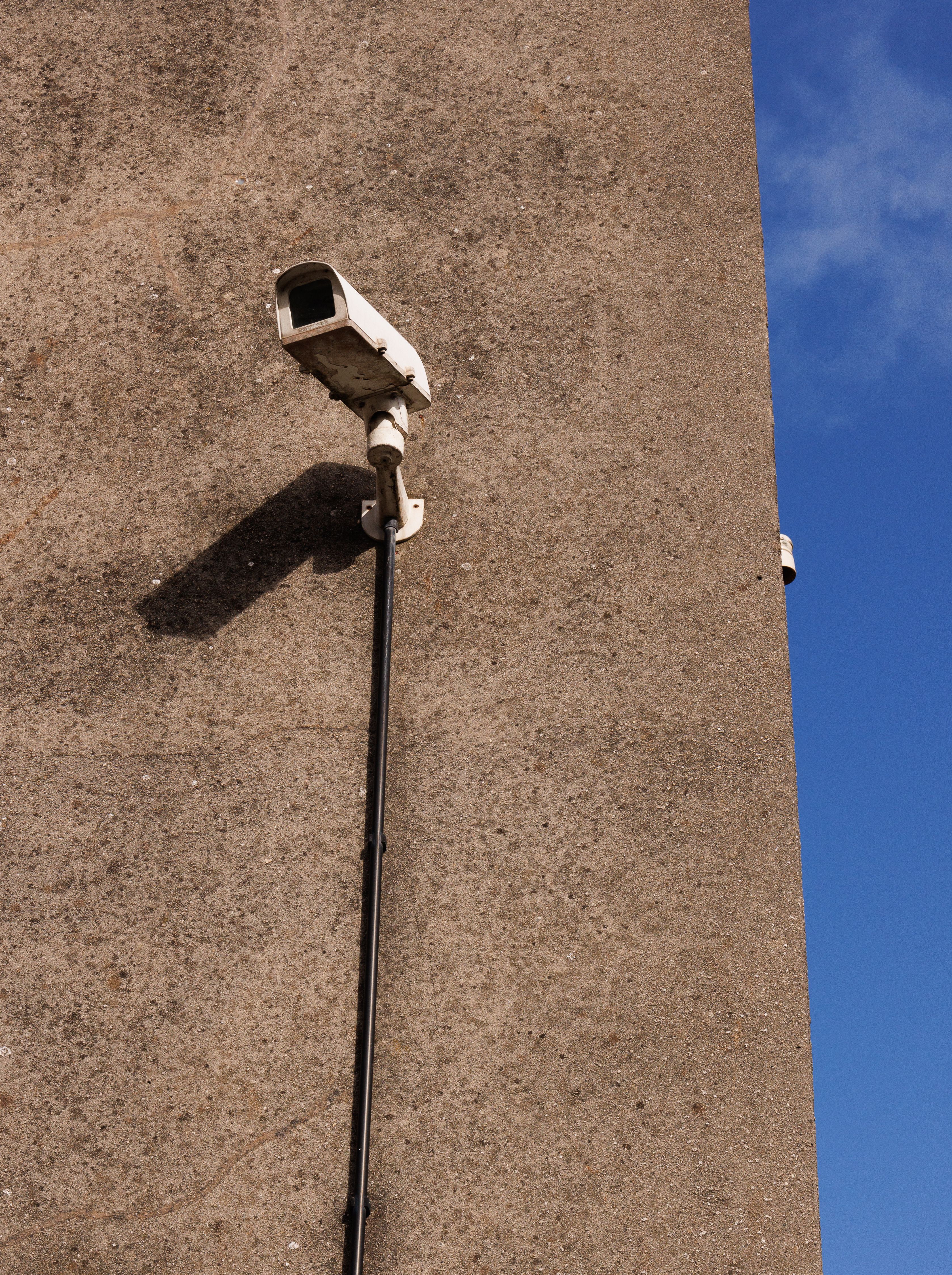
Outdoor security camera mounted on a concrete wall

Photo via Pexels

The desire for a smart home stems from the fact that it simplifies life. Smart devices can save you time, make your home safer and even save you money on your energy bill. Fortunately, you don't have to be a homeowner to reap these benefits. Even if you are in a condo or apartment in the Washington, DC area, you can build a simple and useful smart home.

A lot of tenants worry about not being able to drill holes, damage walls, or make permanent changes — that's a normal concern. The ideal smart home system for a condo or apartment is simple to set up, easy to remove, and easy to bring with you when you move.

Start With a Smart Door Lock

One of the most helpful smart home gadgets is a smart lock. It lets you open your door using your phone, a code, or even your fingerprint, depending on the model. It's especially convenient if you tend to lose your keys, and you can set up temporary codes for family, friends, or a cleaner — then delete them in seconds once they're no longer needed.

Read your building rules before purchasing a smart lock. Some condos let you swap the inner deadbolt without altering the outer hardware, so the building still looks the same and you can restore the original hardware when you move out. If your building won't let you change the lock at all, some smart locks install inside your existing deadbolt, letting you keep your key while adding smart features.

Add a Smart Video Doorbell or Camera

Security matters, particularly if you get a lot of deliveries. A smart video doorbell can be useful if your building permits it — you can see and respond to visitors from your phone even when you're not home. But many apartment buildings won't allow tenants to change shared hallway doorbells. In that case, an indoor security camera pointed toward the front door is a solid substitute, and can alert you when someone enters or when maintenance arrives. Some cameras include two-way talk, and it's worth choosing one that's Wi-Fi enabled with secure cloud or memory-card storage.

"The ideal smart home setup for a rental is simple to install, easy to remove, and easy to take with you."

Consider a Smart Thermostat

Heating and cooling can consume a lot of electricity. A smart thermostat adapts to your routine and adjusts the temperature automatically — easing off when you're away and warming or cooling the home before you get back, which can save on energy costs over time.

Not every condo or apartment allows a thermostat swap, especially buildings with shared central systems. Check with your landlord or building manager before buying. If it's not allowed, smart plugs and smart fans are a good workaround for saving energy.

Use Smart Plugs

Smart plugs are one of the easiest upgrades for renters. Just plug one into the wall socket, then plug in a lamp, coffee maker, fan, or other device — now you can control it from your phone or a voice assistant. You can also set schedules, like having a living room lamp turn on each evening and off at night. No tools are needed, and installation takes seconds.

Install Smart Light Bulbs

Smart bulbs are another renter-friendly option — no need to replace the light fixture, just the bulb. Brightness, color, and schedules can all be set from your phone, so lights can gradually brighten in the morning or shut off automatically when you head to work. When you move, just take the bulbs with you.

Build the System Gradually

You don't have to buy everything at once. Many people start with a single smart plug or camera, use it for a few weeks, then decide what would help next. A basic starter kit might look like:

  • One smart lock
  • One indoor camera
  • Two smart plugs
  • Two smart light bulbs

That combination adds security, convenience and energy efficiency without a heavy price tag.

Choose Compatible Devices

When buying smart home products, check that they work together. Many devices support popular voice assistants, so you can control everything with simple voice commands or a single app — saying "good night" and having the lights turn off, the door lock, and the thermostat adjust automatically. Sticking with compatible devices from the start makes the whole system far easier to manage.

Don't Forget Wi-Fi Coverage

Every smart device depends on a strong Wi-Fi signal. Cameras or smart locks can misbehave if the signal is weak in certain rooms. Positioning the router centrally helps, and larger apartments may benefit from a Wi-Fi extender or mesh system — a shaky smart home is usually a connectivity problem, not a device problem.

Check Your Building Rules

Every apartment and condo complex has its own regulations. Before installing a smart lock, camera, thermostat or doorbell, review your lease or check with property management. Some buildings allow temporary installations but prohibit drilling or modifying common property — knowing the rules ahead of time saves time, money and frustration.

Renting? We install without the drama.

From a single smart lock to a full starter kit, we'll set it up and pair it to your phone without damaging a wall you don't own.